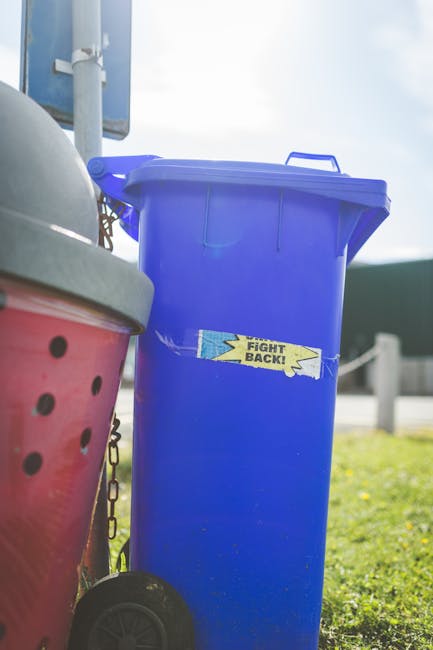
Upper Holloway estate rubbish collection tips for residents

If you live on an estate in Upper Holloway, rubbish collection can be straightforward one week and oddly frustrating the next. Bins overflow, bulky items appear in the wrong place, and one missed collection can make a whole courtyard feel untidy by Friday afternoon. This guide to Upper Holloway estate rubbish collection tips for residents is here to make the whole thing easier to manage. You will find practical ways to stay on top of waste, reduce avoidable problems, and choose the right disposal method for everything from kitchen bags to old furniture.
Truth be told, most collection issues are not dramatic mysteries. They usually come down to timing, sorting, access, or people not quite knowing where something should go. That is fixable. And once you get a decent routine in place, shared waste areas become much easier to live with - quieter, cleaner, less annoying. Let's get into it.
Why Upper Holloway estate rubbish collection tips for residents Matters
On an estate, waste is never just "waste". It affects how communal areas look, how they smell, how easy they are to walk through, and even how people feel about the place they live. A tidy bin store gives the feeling that someone is looking after the building. A messy one does the opposite, and fast.
Upper Holloway has the usual London mix of flats, shared entrances, compact storage, and busy households. That means rubbish collection habits need to be practical rather than idealistic. You may not have much space. You may not be able to store a week's worth of waste indoors. You may have different neighbours using the same bin area with very different routines. That is exactly why simple, repeatable habits matter.
There is also the issue of missed or delayed collections. Even one extra day can create a chain reaction: more bags left outside, lids that will not close, unwanted pests, and that familiar "someone will sort it later" spiral. To be fair, later is rarely a great strategy with rubbish.
A good collection routine helps with more than cleanliness. It helps residents avoid disputes, reduce smells, protect access routes, and make it easier to dispose of bulky items in the right way. In shared housing, that is not a small thing.
Practical takeaway: the best waste system on an estate is not the fanciest one - it is the one that residents can actually use consistently without guesswork.
How Upper Holloway estate rubbish collection tips for residents Works
Estate rubbish collection usually involves a mix of communal bins, scheduled council collection services, and occasional private removal for larger or awkward waste. The exact setup can vary by block, landlord, managing agent, or local collection arrangements, but the basic principles stay the same.
Typically, residents should separate everyday household rubbish from recycling, place waste in the correct containers, and keep bin lids shut where possible. If an estate has a bin store, access routes should stay clear so collection crews can reach the containers safely. If there are dedicated collection points, items should be left where instructed - not just anywhere that seems convenient at the time.
For heavier or bulkier waste, the story changes a bit. Items like old sofas, mattresses, broken wardrobes, appliances, and renovation leftovers often need a different solution. In practice, many residents compare local options such as rubbish removal, house clearance, or mattress and sofa disposal depending on what needs shifting and how quickly it needs to go.
On a busy estate, timing matters too. If collections happen early, leaving bags out the evening before without guidance can create mess or attract scavengers. If collections happen later in the day, a bag placed too soon can get knocked over by foot traffic, pets, or plain old London wind. It happens.
One useful way to think about the process is this: daily waste belongs in the normal collection flow; bulky, awkward, or specialist waste needs a planned route. Mixing the two usually causes the headache.
Key Benefits and Practical Advantages
Good rubbish collection habits might not sound exciting, but they make estate life much easier. And when done properly, the benefits show up quickly.
- Cleaner communal spaces: fewer stray bags, less overflow, and a better first impression in entrances and courtyards.
- Reduced odours: especially helpful in warmer months, when food waste can become noticeable in no time.
- Better pest control: sealed bins and timely disposal reduce opportunities for rodents and insects.
- Less neighbour friction: clear expectations mean fewer "who left this here?" conversations in the hallway.
- Safer access: clear bin areas help residents, visitors, and collection crews move around without trip hazards.
- Lower chance of rejected collections: bins that are overfilled or contaminated with the wrong items are more likely to be left behind.
There is also a practical financial angle, even if residents do not always think about it that way. Getting disposal wrong can mean extra trips, wasted time, and in some cases the need for emergency removal. That can be more costly and stressful than planning ahead in the first place.
If you are dealing with repeated overflow, it may also be worth looking at the wider waste flow on the estate. A well-timed skip hire arrangement, or a one-off service such as builders waste removal for renovation debris, can take pressure off communal bins and help everyone breathe a little easier.
Who This Is For and When It Makes Sense
This guidance is for anyone living on a managed block, housing estate, converted flat block, or mixed-use residential development in Upper Holloway. If you share bins with neighbours, share a bin store, or have limited private storage for waste, these tips will be useful.
It makes particular sense if any of the following sound familiar:
- you regularly see bags left beside bins because the containers are full;
- you are never quite sure which day collections happen;
- your estate gets fly-tipped items, especially near gates or service roads;
- you are clearing out a flat and need to dispose of more than normal household waste;
- you have a garden, loft, or storage area that has quietly filled up with "I'll deal with that later" items;
- you are handling a move, refurbishment, or tenancy changeover.
In smaller households, the issue may be about routine. In larger shared buildings, it is usually about coordination. Different problem, same result if nobody steps in. A lot of residents only realise this when a bin store starts to feel like a bottleneck rather than a service.
If you are a landlord, building manager, or resident committee member, the same advice still applies, just with a wider lens. You are not only managing waste; you are managing expectations, shared responsibility, and a little bit of human behaviour. Which, let's face it, can be the trickiest part.
Step-by-Step Guidance
Here is a practical way to handle rubbish collection on an estate without turning it into a weekly headache.
1. Check how your estate collection system is meant to work
Start with the basics. Find out where general waste, recycling, and bulky waste are supposed to go. If you have a managing agent or landlord, ask for the current waste guidance. If the setup has changed recently, residents may still be following old instructions.
A quick walk around the bin area can tell you a lot. Look for signage, labels, or colour-coded containers. If there are no clear signs, that is usually where problems begin.
2. Separate everyday rubbish from reusable or recyclable items
Not every item belongs in the same bin. Cardboard, plastics, metals, food waste, textiles, and broken items often need different handling. If you are unsure, pause and think before tossing it in. That extra five seconds saves someone else from sorting a contaminated bin later.
Simple example: a greasy pizza box may not be treated the same as clean cardboard. Small detail, big difference. And yes, people do notice when the wrong thing ends up in the wrong container.
3. Keep waste compact, sealed, and dry where possible
Loose rubbish is messy rubbish. Tie bags properly, flatten boxes, and avoid leaving open containers in communal areas. Wet cardboard, leaking food waste, and broken packaging create smells and make the whole space feel grimy quicker than you would expect.
If a bag is split, double-bag it. If an item has sharp edges, wrap it safely. That is not just tidy - it is safer for everyone handling it.
4. Put bins out at the right time
Follow the estate's collection timing rather than guessing. Putting bins out too early can be just as annoying as putting them out too late. Early placement may obstruct walkways or invite mess. Late placement can mean a missed collection and another full day of bins sitting around.
A small routine helps here. Many residents set a phone reminder the night before, especially if collections are weekly or irregular. Simple, but it works.
5. Handle bulky items separately
Old wardrobes, beds, broken chairs, appliances, and renovation offcuts should not be dumped next to shared bins unless that is specifically allowed. It is better to arrange a dedicated removal plan. Depending on the item, you might use skip sizes and prices to match the job, or look at what can go in a skip before booking so you do not end up with a surprise later.
If space is tight, a wait and load skip hire option can be helpful because it reduces how long a container stays on site. That can matter on crowded estates where access is limited.
6. Escalate recurring problems early
If collections are repeatedly missed or bins are constantly overflowing, do not just shrug and hope the next round goes better. Note the dates, take a photo if needed, and report the issue through the appropriate estate or waste channel. Repeated problems are usually easier to solve when there is a clear pattern.
And if a clean-out is getting out of hand, a one-off service such as garage and loft clearance or site clearance can prevent the communal bin area from becoming a temporary storage unit. Nobody wants that. Nobody.
Expert Tips for Better Results
Here are the little things that usually make the biggest difference.
- Keep a "waste day" habit: set aside one regular time each week to check what needs binning, recycling, or booking for removal.
- Use smaller bags for food waste: lighter bags are easier to tie properly and less likely to split on the way out.
- Flatten cardboard immediately: cardboard left unflattened fills a bin faster than people expect.
- Do a quick bin-store scan: if you live on the ground floor or near the bins, a glance once or twice a week can catch issues early.
- Choose removal options based on volume, not habit: a few bags and a mattress are different problems. Treat them differently.
- Plan around move-outs and clearances: these are the times when waste spikes and communal bins get overwhelmed.
One thing we often see is residents waiting until the very last minute to deal with accumulated clutter. Then suddenly it is Saturday morning, the hallway is full, and the room smells faintly of old paper, takeaway containers, and panic. Not ideal. A bit of planning really does save the day.
If you are dealing with garden clippings, broken fencing, or soil, a dedicated garden waste removal service may be more sensible than trying to squeeze everything into shared bins. Likewise, heavier material from small refurbishments may be better suited to construction waste clearance or grab hire services depending on access and volume.
Common Mistakes to Avoid
Most rubbish problems on estates come from a handful of predictable mistakes. The good news? They are easy to fix once you know what to look for.
- Leaving waste beside full bins: this quickly turns into overflow, litter, and fly-tipping risk.
- Mixing bulky waste with regular household rubbish: this makes collections messier and can lead to items being left behind.
- Ignoring local instructions: every estate handles waste slightly differently, so do not assume the process is universal.
- Overfilling bags: overstuffed bags split, slide, and leak. It is the simplest way to create extra mess.
- Not breaking down packaging: large cardboard boxes and foam packaging chew through bin space fast.
- Dumping prohibited items: hazardous or specialist waste should be handled separately and with care.
There is also a quieter mistake: assuming one person will sort it out. That rarely ends well. Shared waste works best when everyone does their small bit without waiting for the heroic neighbour with the spare gloves and the resigned expression.
If you are dealing with items like fridges, freezers, or cleaning chemicals, look into specialist handling rather than trying to improvise. A service like hazardous waste disposal may be relevant depending on the item. For appliances, fridge and appliance removal can save time and reduce the risk of improper disposal.
Tools, Resources and Recommendations
You do not need much to keep estate rubbish under control, but a few basic tools make life easier.
- Strong bin bags: sturdier bags reduce splits when carried through stairs, lifts, and shared corridors.
- Labels or signs: useful in bin stores where residents need a reminder about which container is which.
- Gloves: handy for handling bag splits, cardboard, or awkward items.
- Phone reminders: surprisingly effective for collection days, bulky waste bookings, and recycling check-ins.
- Storage boxes: useful for separating recyclables until collection day.
- Measured clear-out planning: ideal when you are dealing with a full flat, loft, or storage cupboard.
For bigger jobs, it helps to compare options properly. A skip may suit an ongoing project. A van-based removal service may suit a fast, flexible clearance. A grab lorry can be efficient where access and loading conditions suit it. If you are choosing between them, the decision usually comes down to volume, access, timing, and how much lifting you want to do yourself.
For some residents, especially those emptying several rooms at once, a combination approach works best. A clear-out service for furniture, then recycling support for remaining waste, then a final check of the bin store. Nice and tidy. Not glamorous, but effective.
Law, Compliance, Standards, or Best Practice
Waste disposal in the UK is shaped by local rules, general duty-of-care principles, and practical site management expectations. For residents, the safest approach is to follow estate instructions, use approved waste routes, and avoid leaving waste where it could become a nuisance, obstruction, or health issue.
On shared estates, best practice usually includes keeping access clear for collection crews, preventing contamination of recycling, and not placing prohibited materials into general waste. If your estate has written rules, those matter. If your landlord or managing agent has issued guidance, even better - follow it closely, because the setup may be specific to the site.
Special care is needed for items that are sharp, heavy, leak-prone, electrical, or potentially hazardous. That includes broken glass, old paint, chemicals, batteries, fridges, and some renovation waste. In real life, the safest route is usually the most boring one: use the correct disposal path rather than guessing.
For private clearances, reputable providers should explain what they can take, how items are handled, and any restrictions up front. If a service offers recycling and sustainability information, that is worth reading too. It is one of those details people skip, then later wish they had not.
Residents should also be careful not to obstruct shared walkways, fire exits, or access points with waste. That is not just untidy; it can create safety issues. If in doubt, keep routes open and ask before leaving larger items anywhere near communal areas.
Options, Methods, or Comparison Table
When you need to clear rubbish on or from an estate, there is rarely one perfect answer. Here is a simple comparison to help you decide what fits best.
| Method | Best for | Pros | Watch-outs |
|---|---|---|---|
| Communal bin collection | Routine household waste and recycling | Simple, familiar, low effort | Can overflow quickly if residents overfill bins |
| Rubbish removal | Mixed household waste, bagged clutter, small clear-outs | Fast, flexible, good for awkward jobs | Not ideal for very large ongoing projects |
| Skip hire | Refurbs, renovation debris, bulkier loads | Good capacity, convenient for larger jobs | Needs planning and sometimes a permit |
| Wait and load | Sites with tight access or no skip space | Quick turnaround, minimal on-street time | Requires everything to be ready when the vehicle arrives |
| Grab hire | Heavy, loose, or bulky materials | Efficient for large volumes | Access and loading setup need to suit the vehicle |
| House clearance | Whole rooms, moves, tenancy changes | Comprehensive and time-saving | Needs a clear list of what must go and what stays |
If you are not sure what route suits your situation, ask yourself one simple question: is this normal household waste, or is this a project? That answer usually points you in the right direction.
For estate residents near busy streets or with tight access, skip permits may be relevant if a skip needs to sit on public land. If you prefer a simpler booking route, book online can be a straightforward way to arrange waste services without endless back-and-forth.
Case Study or Real-World Example
Here is a realistic example from the sort of situation that comes up all the time on London estates.
A resident in Upper Holloway was clearing out a one-bedroom flat after a long tenancy. The communal bins were already busy, and the usual weekly collection was not going to be enough. At first, the resident tried to break everything down and place it in the estate bins over several days. It worked for a while - until cardboard, a broken chair, and a mattress all entered the picture. Suddenly the bin store felt cramped, and the whole process became slower than expected.
Instead of continuing to patch it together, the resident separated the items into three groups: general bagged waste, furniture, and leftover packaging. The bagged waste went out in the normal way. The mattress and chair were arranged for specialist disposal. The flat was finished sooner, the shared bin area stayed clear, and there was much less stress on collection day.
It was not a dramatic transformation. No grand heroics. Just sensible sorting, a bit of patience, and choosing the right disposal method for the right material. That is usually how these jobs go when they go well.
Another common scenario is a small kitchen refit. A few broken cupboards, offcuts, and packaging can overwhelm communal bins even though the project feels "small". In that case, residents often find builders skip hire or construction waste disposal more efficient than trying to manage it bag by bag. A bit more planning up front, a lot less hassle later.
Practical Checklist
Use this quick checklist before your next rubbish collection day or clear-out.
- Check the estate's bin instructions and collection timetable.
- Separate recycling, general waste, and bulky items.
- Break down cardboard and flatten packaging.
- Make sure bags are tied securely and not overfilled.
- Keep access routes to bins clear.
- Do not leave items beside full bins unless instructed to do so.
- Arrange separate disposal for mattresses, furniture, appliances, and hazardous items.
- Take photos or notes if a collection is repeatedly missed.
- Use the right service for the job, not just the first one that comes to mind.
- Do a final check of communal areas after a clear-out.
Expert summary: on an Upper Holloway estate, the winning formula is simple - keep waste sorted, keep collection points clear, and deal with large items before they become communal problems. That alone solves more issues than most people realise.
Conclusion
Managing estate rubbish in Upper Holloway does not need to be complicated, but it does need a bit of discipline. The difference between a decent bin area and a constantly annoying one usually comes down to routine, clear instructions, and choosing the right disposal method for the right type of waste.
If you remember just three things, make them these: keep day-to-day rubbish under control, treat bulky items separately, and do not wait until the communal bins are overflowing before acting. Small habits make a big difference in shared buildings. Always have done.
And if you are facing a bigger clear-out, a move, or a pile of waste that is clearly beyond normal weekly collections, it is perfectly reasonable to get help. That is what the smarter route looks like, honestly.
Get a free quote today and see how much you can save.
Frequently Asked Questions
What should Upper Holloway residents do if communal bins are always full?
Start by checking whether the estate's collection schedule is being followed and whether waste is being sorted properly. If the problem keeps happening, report it to the managing agent or landlord and consider a separate clearance for bulky items that should not be in the communal bins.
Can I leave rubbish beside the bin if the container is full?
Usually not, unless your estate gives specific instructions. Bags left beside bins can attract litter, pests, and complaints, and they may be treated as fly-tipping on some sites. It is better to wait, report the issue, or arrange another disposal method.
How do I know whether something belongs in a skip or regular bin?
If it is normal household waste, it usually belongs in the regular collection system. If it is bulky, heavy, made of mixed materials, or comes from a clear-out or renovation, a skip or removal service may be more appropriate. When in doubt, check what can go in a skip before booking.
What is the best option for a mattress or sofa on an estate?
Specialist disposal is usually the cleanest answer. These items are awkward, take up space quickly, and rarely belong in shared bins. A dedicated mattress and sofa disposal service is often simpler than trying to break them down yourself.
Do I need a permit for a skip in Upper Holloway?
Only in certain situations, such as if the skip needs to go on public land. If it is on private land, the rules may be different. A permit question is best checked before booking so there are no last-minute surprises.
What should I do with broken appliances?
Do not dump them beside the bins. Appliances should be handled separately, especially if they contain electrical parts, coolant, or other specialist components. Appliance removal is usually the safer and simpler choice.
How can I reduce rubbish smells in shared bin stores?
Tie food waste securely, avoid overfilling bags, close bin lids where possible, and do not leave waste sitting out too long before collection. In warmer weather, smaller and more frequent disposal often helps.
What if my estate has no clear rubbish rules?
Ask the managing agent, landlord, or building representative for written guidance. If there is still no clear system, take a conservative approach: separate waste carefully, keep access clear, and avoid leaving items in communal areas unless you know they are allowed there.
Is a rubbish removal service better than hiring a skip?
It depends on the job. Rubbish removal is often better for smaller, faster clear-outs. A skip is usually better for larger projects or ongoing work. Access, timing, and waste volume are the biggest deciding factors.
Can I put garden waste into the normal communal bins?
Sometimes small amounts may be acceptable, but larger amounts of grass cuttings, soil, branches, or hedge trimmings are usually better handled through garden waste removal. Garden waste fills bins fast and can cause mess if it is loose or damp.
What is the safest way to dispose of hazardous waste?
Hazardous materials need careful handling and should not go into ordinary estate bins. If you are dealing with chemicals, batteries, paint, or similar items, use a suitable hazardous waste disposal route and follow any local safety guidance.
How often should estate bin areas be checked?
There is no one-size-fits-all answer, but a quick regular check helps. On busier estates, looking over the area once or twice a week can catch overflows early. During moves, refurbishments, or tenancy changes, you may need to check more often.